

|
||||||||||||||||||||||||||||||||||||||||||||||||||||||||||||||||||||||||||||||||||||||||||||||||||||||||||||||||||||||||||||||||||||||||||||||||||||||||||||||||||||||||||||||||||||||||||||||||||||||||||||||||||||||||||||||||||||||||||||||||||||||
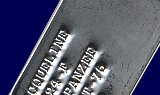
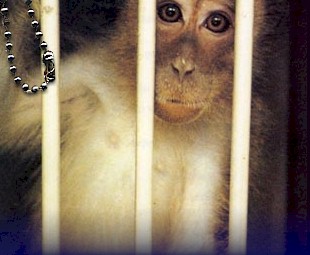
This is the story of a male rhesus macaque named Piotr. He was born on December 10, 1973. The name Piotr (Pe-o-ter) is Dutch in origin. He once was a subject of behavioral studies at the Henry Vilas Zoo in Madison, Wisconsin, conducted by Frans DeWaal, himself Dutch, who has since moved on to Yerkes. read Piotr's records from Univ. of Wisconsin Piotr's social group was featured in DeWaal's book, Peacemaking in Primates. As "property" of the NIH Wisconsin Regional Primate Research Center, Piotr was tattooed with the serial number rh-w38. Piotr lived virtually his entire life as part of a social group of rhesus monkeys on public display at the Henry Vilas Zoo. These monkeys, known by name and loved by area children and adults, were protected from any invasive or harmful experimentation. This protection was guaranteed through at least three written agreements between the administration of the Wisconsin Regional Primate Research Center (WRPRC), Dane County, and the Henry Vilas Zoo. WRPRC staff violated their agreement to protect Piotr when he was 22 years old. Piotr had lived his life in a rich social setting with access to the open air, where sunshine, birds, and breezes entered his home in spring and summer. When he matured, Piotr became a high-ranking male who sired at least twenty-four infants. Later in life, Piotr's social status changed. Less obviously powerful, he played the role of a benevolent uncle. Eventually, as is common during social dominance transition periods in macaque groups, Piotr went through what would have been a brief period of being picked on by the other macaques. Macaques, even those living in a confined space, will normally work out their conflicts, given the opportunity. This is part of the flexibility of their social behavior, studied at great length by behavioral scientists. Little did Piotr know at the time, but he would soon be picked on by humans who understood nothing of his society and who would not listen to anyone who did. In the fall of 1995, a new veterinarian at the Primate Center, apparently on orders from Joseph Kemnitz (then Associate Director of WRPRC, now director) overrode the opinions of staff who had daily contact with these primates, and ordered Piotr removed from his group. Neither Kemnitz nor the veterinarian was knowledgeable of macaque behavior. Center staffers, involved closely with Piotr and his group, were upset by the decision, but powerless to prevent it. Piotr never had a chance to resolve the social conflict within his group. Instead, he was taken away from everything that had been familiar to him and was forced into a small laboratory cage. On February 22, 1996 either Joseph Kemnitz or Kirk Boehm, the animal resource manager, assigned poor Piotr to James N. Ver Hoeve's study: "Neural Bases of Visual Deficits During Aging." Piotr is believed to be locked in Ver Hoeve's laboratory, alone in a small cage. Ver Hoeve's study has resulted in no new knowledge. He has published no papers related to the neural basis of visual deficits during aging in primates. Apparently, during his experiments, he put electrodes into the brains of the monkeys he was using and then stapped them into restraint chairs. Ver Hoeve wrote: The results to date indicate that old monkeys have significantly lower [visual] acuity than young adult animals....As predicted on the basis of human studies, there is also large overlap in the range of visual acuities at optimal refraction between old and young monkeys.…We have trained one young adult and one old animal to perform a two-alternative forced-choice task and have obtained complete contrast sensitivity data from these animals. Four additional animals are at an advanced stage of training....These neurophysiological studies will use multi-unit recording methods to look for age-related changes in response properties and in interactions between cortical neurons. The behavioral and evoked potential survey data will be used to separate groups of animals with good and poor vision for further neurophysiological and anatomical study.
In an August 11, 1997 report in the local Madison newspaper, The Capital Times (UW Scientists Deny Knowing Monkeys Had Lived at Zoo), University of Wisconsin Primate Center scientists David Pauza and Paul Kaufman stated that they weren't aware that the monkeys who had died in their studies had been born at the zoo. Kemnitz responded by saying, "We have complete documentation for all of our animals regarding their clinical and experimental history. If an investigator is not aware of the origins, it's not because the information was not available." Clearly, James Ver Hoeve now knows where Piotr came from. The very last bit of information we have concerning Piotr comes from his laboratory records. He weighed just under eleven pounds at the time of this entry: Remark: thin, old animal with abdominal mass and occult blood in feces; possible colonic adenocarcenoma....possible liver or biliary involvement; Plan-monitor; euthanize if loss of weight/condition. Piotr needs to be placed in a safe, social setting to live out his life. Free Piotr! Write to:
Speak out. Your silence signals your acceptance.
Home Page | Our Mission | News |
